
What Coffee Catering Menu Ideas Work Best for Morning Seminars?

Last Updated: October 25, 2026
Quick Summary
Coffee catering menu ideas for morning seminars should include espresso-based drinks like cappuccinos and lattes, drip coffee as backup, non-coffee options like tea and hot chocolate, and complementary pastries such as croissants and muffins. This variety ensures all attendees feel welcomed while maintaining service efficiency.
Offer cappuccinos, lattes, Americanos in both regular and decaf for espresso drinks that serve different preferences.
Include tea, hot chocolate, water, and sparkling water alongside coffee to accommodate diverse attendee needs.
Serve three to four pastry options like croissants, banana bread, and muffins paired with fresh fruit and yogurt.
For 50-100 people, prepare 30-40 espresso drinks, 4-5 pots of drip coffee, and 75-100 pastry pieces during a 30-minute break.
Arrange the service line with cups first, beverages second, pastries third, and condiments last to prevent bottlenecks.
Table of Contents
Essential Coffee Catering Menu Ideas for Morning Seminars
Morning seminars demand a coffee catering menu that energizes attendees without overwhelming them. The right combination of beverages and pastries sets the tone for productive discussions, keeps people alert through early sessions, and signals that you've invested in their comfort.
At Thunderbird Coffee, we've worked with corporate planners and event organizers to understand what actually works when you're serving 30 to 300 people before 10 a.m. The difference between a forgettable coffee station and one people remember comes down to three things: variety that respects different preferences, quantities that prevent long lines, and presentation that looks intentional rather than hastily assembled.
This guide covers the coffee catering menu ideas that work best for morning seminars, from the espresso drinks that keep energy high to the non-coffee options that ensure no one feels left out. We'll walk through pairings, quantities, timing, and the logistics that separate smooth operations from chaotic ones.
Morning Seminar Catering Ideas: Building Your Beverage Foundation
The foundation of any morning seminar coffee service is simplicity with depth. You don't need 20 drink options, but the ones you offer should cover the major preferences: strong coffee for the early risers, smoother drinks for those who prefer less intensity, and non-coffee choices for the growing number of attendees who skip caffeine.
Start with the drinks that move volume. Espresso-based beverages dominate morning events because they're fast to prepare and deliver consistent quality. Pair these with drip coffee as a backup, it's familiar, requires minimal barista attention, and serves guests who want something they can grab quickly without waiting.
The real differentiator is offering choices that feel thoughtful. A seminar menu that includes only standard options reads as generic. Adding one specialty item, whether that's a single-origin pour-over, a signature drink, or a seasonal option, signals that you've curated the experience.
Espresso Drinks That Keep Seminars Running
Espresso drinks are the workhorse of morning seminars. They're prepared quickly, they deliver the caffeine hit people expect at 8 a.m., and they feel elevated compared to drip coffee alone.
The core lineup should include cappuccinos, lattes, and Americanos. Cappuccinos appeal to people who want strong espresso with just enough milk to smooth it. Lattes serve attendees who prefer more milk and less intensity. Americanos work for those who want espresso strength without milk, it's a bridge between espresso shots and traditional coffee.
Offer both regular and decaf espresso options. Many morning attendees are already managing caffeine intake, and decaf lets them participate in the coffee experience without the stimulant.
Non-Coffee Beverages for Diverse Preferences
Not everyone drinks coffee, and assuming they do creates awkward moments. A strong morning seminar menu includes alternatives that feel like genuine options, not afterthoughts.
Offer hot tea, both black and herbal varieties. Black tea gives caffeine-seekers an alternative to coffee (pubmed.ncbi.nlm.nih.gov). Herbal tea serves people avoiding caffeine or those who simply prefer it. Steep tea properly; weak tea signals carelessness more than omitting it entirely.
Add hot chocolate for attendees who want something warm and comforting without coffee or tea. It's particularly valuable at outdoor seminars or in cooler months.
Include cold water and sparkling water. Morning seminars often run in warm rooms or under bright lights. Hydration matters, and offering water prevents attendees from feeling forced toward caffeinated drinks just to have something to drink.
Coffee and Pastry Catering: The Perfect Pairing
Coffee and pastries work together because they solve different needs. Coffee energizes; pastries provide substance and comfort. Together, they create a complete morning experience that keeps attendees satisfied through the first session.
The pairing matters more than the individual items. Strong espresso drinks pair well with buttery, flaky pastries like croissants. Lighter drinks like cappuccinos work with sweeter pastries such as Danish or cinnamon rolls. Drip coffee is versatile enough for almost any pastry.

Croissants are the standard choice for morning seminars. They're easy to eat while standing or sitting, they pair naturally with coffee, and they signal quality without being fussy.
Banana bread offers variety and appeals to people who want something slightly sweeter. It's also portable, attendees can grab it, take a few bites, and return to sessions without the crumbs and mess that come with croissants.
Add one or two additional pastries to show variety. Blueberry muffins, chocolate croissants, or almond croissants work well. The goal is choice without overwhelming complexity. Three to four pastry options cover most preferences.
Breakfast Catering for Meetings: Light Bites Beyond Pastries
Morning seminars that extend past the first hour benefit from more substantial options. Light breakfast items prevent attendees from getting hungry and distracted, and they demonstrate that you've planned for their comfort.
Fresh fruit is essential. Berries, melon, grapes, and citrus are easy to eat, don't require utensils, and provide a refreshing contrast to rich pastries and coffee. Arrange fruit on platters rather than in bowls, it looks more intentional and encourages people to take it.
Yogurt cups with granola offer a filling option for attendees who want protein and substance. Pre-portioned cups eliminate the need for spoons and bowls, making them practical for standing service.
Coffee Break Menu Ideas: Quantities and Service Timing
The difference between a smooth coffee service and a chaotic one comes down to quantities and timing. Too little coffee and you create lines; too much and you waste resources.
Event Size | Espresso Drinks | Drip Coffee | Pastries | Tea/Hot Chocolate |
30-50 people | 15-20 drinks | 2-3 pots | 40-60 pieces | 5-8 servings |
50-100 people | 30-40 drinks | 4-5 pots | 75-100 pieces | 10-15 servings |
100-150 people | 50-70 drinks | 6-8 pots | 120-150 pieces | 15-20 servings |
150-200 people | 75-100 drinks | 8-10 pots | 160-200 pieces | 20-25 servings |
These estimates assume a 30-minute service window. Learn the specific calculations needed to determine correct coffee quantities for your seminar guest count. Adjust upward if your seminar has a longer break or multiple break periods.
Prepare espresso drinks to order rather than in advance. Pre-made drinks cool quickly and lose quality. A skilled barista can prepare drinks faster than attendees can consume them, so lines are usually brief.
Brew drip coffee in batches. Start with one full pot and add additional pots as needed. Stale coffee is worse than running short, people remember bad coffee more than they notice a temporary shortage.
Set up pastries and other items on a self-service buffet. This reduces barista workload and lets attendees move at their own pace. Replenish pastries as they empty rather than setting everything out at once.
Timing matters. If your seminar break starts at 9 a.m., have everything ready by 8:55 a.m. Attendees notice when they're waiting for service to begin. If the break runs 20 minutes, start breaking down and cleaning five minutes before the break ends so you're not still serving when people are trying to return to sessions.
Handling Dietary Requirements and Allergen Considerations
Morning seminars attract attendees with varying dietary needs. Addressing these proactively prevents awkward moments and shows professionalism.
Ask organizers in advance about common allergies or dietary restrictions in the group. The most common concerns are dairy, nuts, and gluten. Knowing these ahead of time lets you plan appropriate options rather than improvising on the day.
Label pastries and food items clearly. A small sign identifying ingredients, "Contains nuts," "Dairy-free," "Gluten-free", lets attendees make informed choices without asking. This is particularly important for nut allergies, which can be severe.
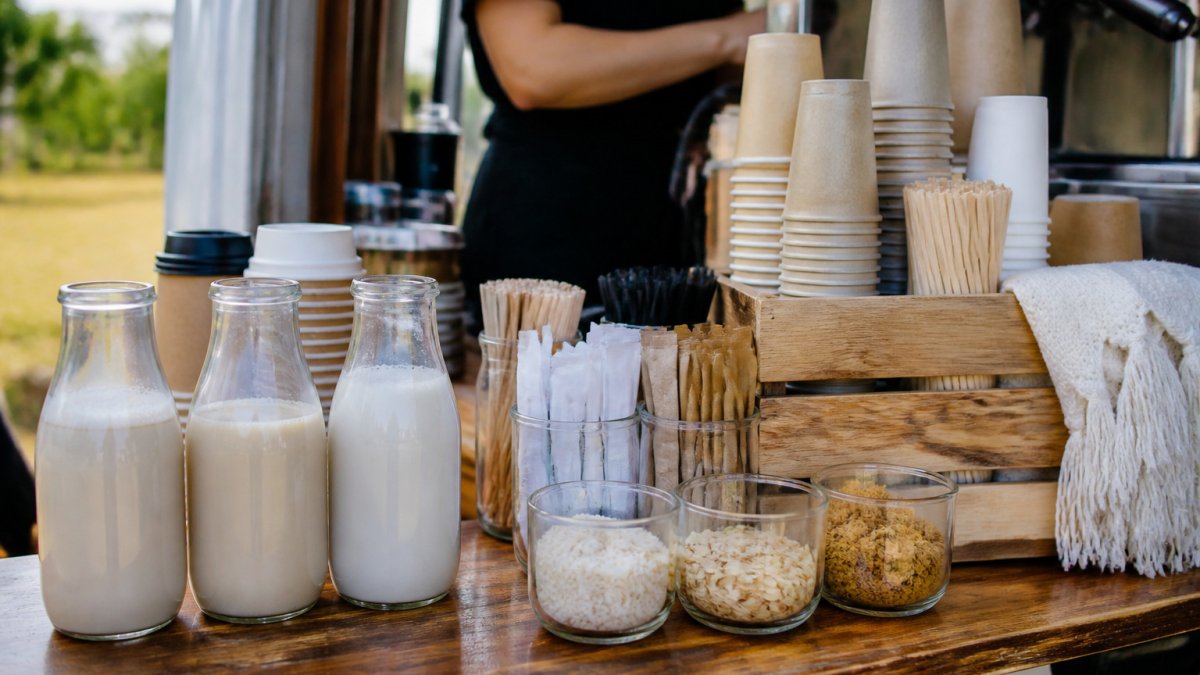
Offer dairy-free milk options for coffee and tea. Oat milk is the most commonly requested alternative and works well in espresso drinks.
Provide gluten-free pastry options if you know attendees need them. This might be a gluten-free muffin or a dedicated gluten-free pastry. One or two options are usually sufficient; you don't need a full gluten-free selection.
Setting Up Your Seminar Coffee Service for Success
The physical setup of your coffee service affects both the experience and the efficiency. A well-designed station keeps lines moving and makes the service feel intentional.
Position the coffee station where it's visible but doesn't block traffic flow. If your seminar has assigned seating, place the station near an entrance or central area. If it's standing-room or casual seating, position it where people naturally gather.
Arrange items in a logical flow. Cups come first, then hot beverages, then pastries and food, then condiments. This order matches how people naturally move through a service line and prevents bottlenecks.
Stock condiments, sugar, sweeteners, cream, milk alternatives, at the end of the service line rather than at the beginning. This prevents people from adding condiments before they have their drink, which slows the line.
Provide small napkins, stirrers, and sleeves near the drinks. Make these easy to grab without asking; it reduces questions and keeps service moving.
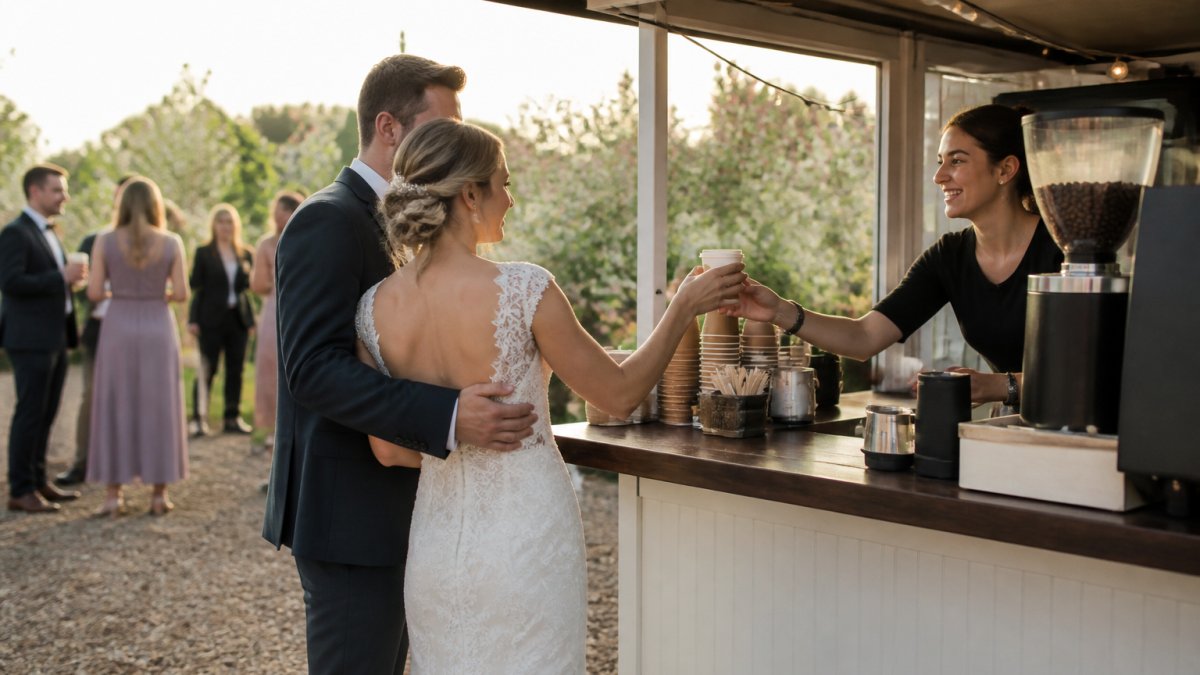
For seminars where Thunderbird Coffee is providing mobile coffee catering, our baristas handle setup and manage the service, so you can focus on your event rather than logistics. We bring everything needed, equipment, supplies, and expertise, to deliver a seamless coffee experience. If you want to explore how mobile catering works for your specific event, submit an event inquiry and we'll discuss your group size, timeline, and menu preferences.
A well-planned coffee catering menu transforms a morning seminar from forgettable to memorable. The combination of quality beverages, thoughtful pastry pairings, and smooth logistics shows attendees that you've invested in their experience. When you add professional service that handles the details, the coffee service becomes an asset to your event rather than a logistical headache. Start with the beverages and quantities that match your group size, add pastries and light food that complement the drinks, and plan the setup that keeps service flowing smoothly. The result is a morning seminar experience people actually enjoy.
Frequently Asked Questions
What coffee catering menu ideas work best for a 100-person morning seminar?
For a 100-person seminar, plan a mix of espresso drinks (cappuccino, latte, Americano), regular and decaf coffee, hot tea, and water. Pair these with pastries like croissants and muffins, plus fresh fruit and yogurt cups. A mobile espresso service allows baristas to prepare drinks on-demand, reducing wait times and keeping attendees engaged. Offer both hot and iced options to accommodate preferences.
How much coffee should you prepare per guest at a morning seminar?
Plan for approximately 1.5 to 2 cups of coffee per attendee during a 2-hour morning seminar. This accounts for guests who may have multiple drinks, those who prefer tea or non-coffee beverages, and natural variation in consumption. If your seminar runs longer, increase the estimate. A professional catering service can help you adjust quantities based on your specific event length and guest count.
What breakfast catering for meetings pairs well with coffee service?
Breakfast catering for meetings should include light, easy-to-eat items: croissants, muffins, fresh fruit, and yogurt cups. Avoid heavy items that compete with coffee. Offer both sweet and savory options, banana bread and pastries appeal to those seeking something rich, while fruit and yogurt suit guests preferring lighter fare.
How do you accommodate dietary restrictions in a coffee catering menu?
Clearly label all items with common allergens. Include naturally gluten-free options like fresh fruit and yogurt. Provide decaf and herbal tea for those avoiding caffeine. Ask attendees in advance about dietary needs so you can plan accordingly. A professional catering service can help ensure proper labeling and ingredient transparency.
What are some creative coffee break menu ideas to keep attendees energized?
Combine espresso drinks with snacks: pair cappuccinos with banana bread. Add seasonal fresh fruit for variety. Offer signature drinks prepared by skilled baristas to create a memorable experience. Rotate your menu items across multiple breaks to maintain interest throughout a full-day seminar.
Comments