
Coffee Bar Service for Festivals: A Planning Guide

Table of Contents
Last Updated: October 20, 2026
Why Festival Organizers Choose Mobile Coffee Bar Service
A mobile coffee bar transforms how festivals serve guests: freshly crafted espresso drinks steps from the action, not long lines at a distant concession stand.
A coffee bar service for festivals solves the organizer's real problem: delivering quality beverages without disrupting the experience. Guests get premium drinks, you maintain flow, and your event feels elevated.
Assessing Your Festival's Coffee Bar Needs
Before booking a coffee bar service for festivals, understand what your event requires so you neither overspend on unneeded capacity nor create bottlenecks.
Guest Count and Service Duration
Start with expected attendance and festival duration. A 500-person, four-hour neighborhood gathering has very different needs than a 5,000-person, day-long festival.
Barista team size scales with these numbers.
Service duration also shapes your menu: a two-hour event can focus on quick drinks, while a full-day festival needs variety across morning, midday, and afternoon rushes.
Venue Layout and Power Requirements
Walk your festival space to find where a mobile coffee bar fits best. High-traffic areas work well, but not so close that machine noise overwhelms entertainment.
Power matters more than most organizers realize.
Water access is equally critical for brewing and steam wand cleaning. Some vendors bring tanks; others tap existing infrastructure. Clarify this before committing.
Festival Coffee Menu Ideas That Drive Sales
Your menu directly impacts both guest satisfaction and revenue. The right selection keeps people ordering while fitting what a mobile bar can realistically produce.
Core Espresso Drinks and Specialty Options
Build your menu around festival-friendly classics: lattes, cappuccinos, americanos, and flat whites, fast, familiar, and profitable.
Include cold options: warm-month festivals see high demand for iced lattes and cold brew, and nitro cold brew creates visual interest behind the bar.
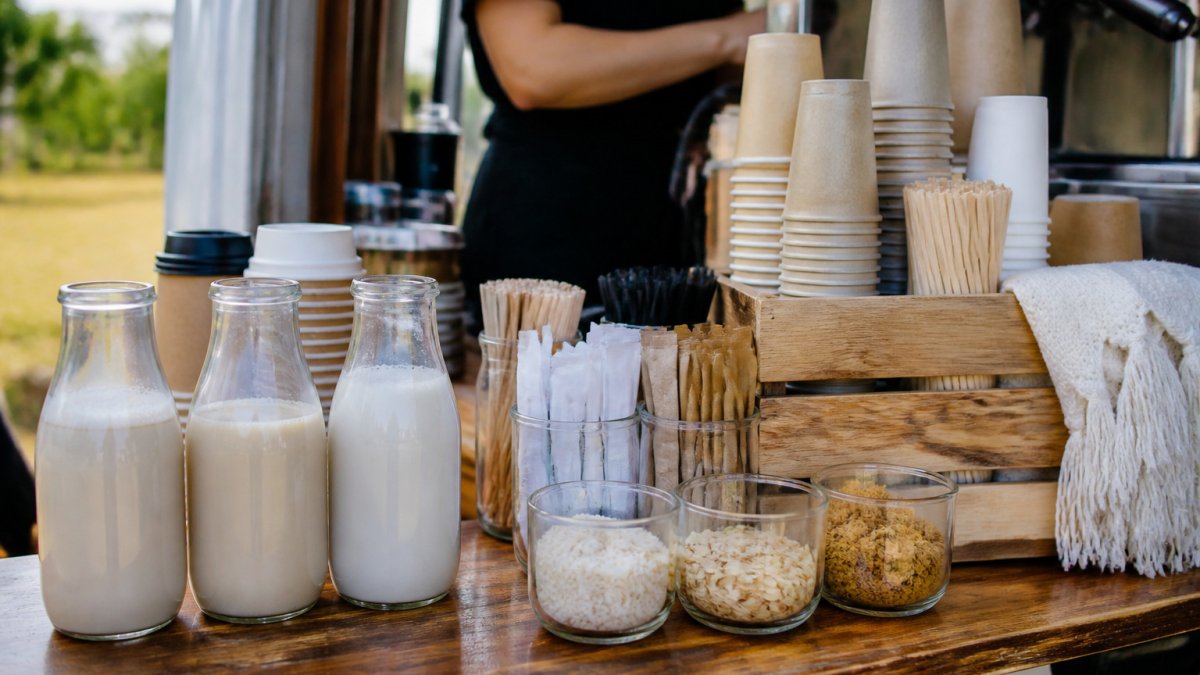
Espresso-based drinks are the core, but don't ignore non-coffee options. Many guests want alternatives.
Non-Coffee and Seasonal Beverages
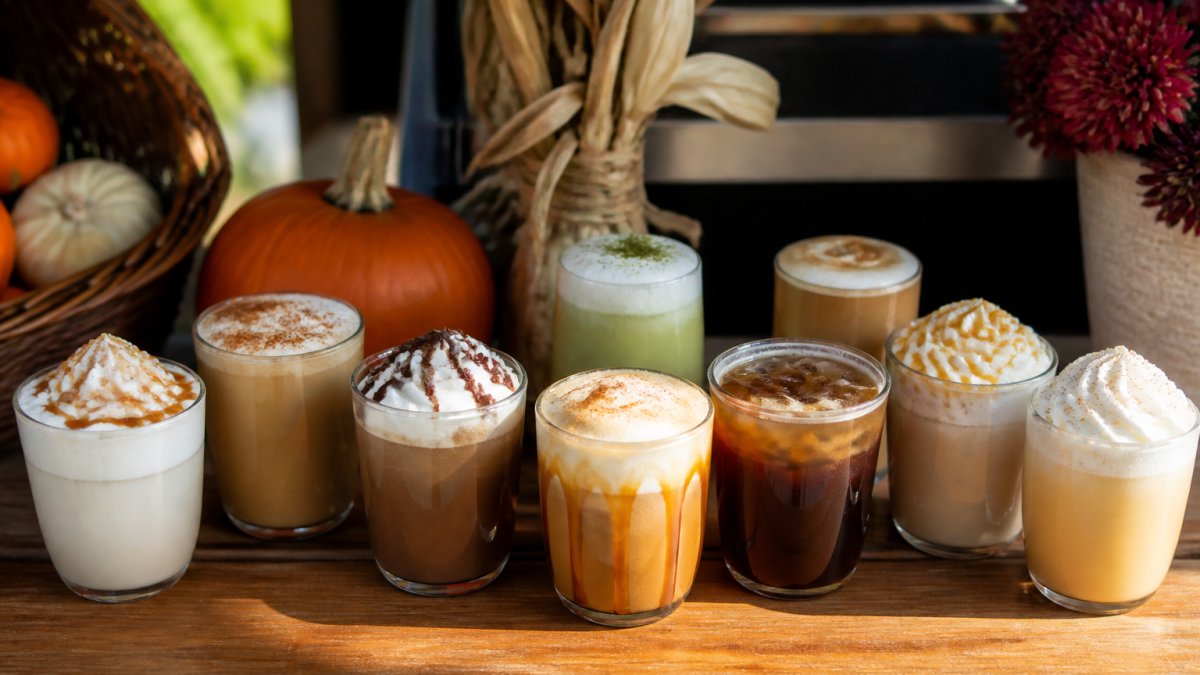
Matcha lattes appeal to health-conscious attendees, hot chocolate attracts families, and chai and tea-based drinks round out the offering without extra equipment.
Seasonal specials create urgency and repeat visits, a pumpkin spice drink in fall or a peppermint mocha in winter gives your festival a memorable identity.
Ask your vendor what they specialize in. The best menus reflect what baristas can execute consistently outdoors with variable weather and high volume.
Coffee Catering Staffing for High-Volume Service
Staffing determines whether your coffee bar service for festivals runs smoothly or devolves into chaos. This is where many organizers underestimate their needs.
Barista Count Based on Attendance
A general benchmark: one barista handles 100-150 guests per hour at moderate demand, dropping to 75-100 during peaks like morning arrival, lunch, and late afternoon.
A 1,000-person, six-hour festival needs roughly 150-200 drinks per hour on average, at least two baristas, probably three at peaks.
Professional coffee catering services staff based on your expected volume and can forecast accurately. Be honest about your numbers when requesting a quote.
Training and Service Standards
Professional baristas bring speed and consistency. A trained barista can pull shots, steam milk, and ring up payments in the time an amateur struggles with one drink.
Ask about training standards: do baristas follow a consistent recipe, adapt to modifications, and upsell tastefully?
Demeanor matters too: friendly, efficient service turns a transaction into a moment that improves someone's festival experience.
High-Volume Coffee Service: Keeping Lines Short
Long lines kill the festival experience, guests get frustrated and abandon their purchase. Your coffee bar service for festivals succeeds when people get their drink quickly and move on.

Throughput Strategies and Wait Time Management
The fastest coffee bars use a station-based workflow: one barista takes orders and payments, one pulls shots and steams milk, one assembles and hands off drinks.
Pre-positioning helps too.
A limited menu during peak hours sounds counterintuitive but works: cut ten options to five, and guests decide faster while baristas work more efficiently.
Equipment Setup and Workflow Optimization
Layout determines how fast drinks flow.
Some vendors use dual espresso machines for high-volume events, letting two baristas pull shots simultaneously and halving prep time. Ask what equipment they bring and how they optimize it for your volume.
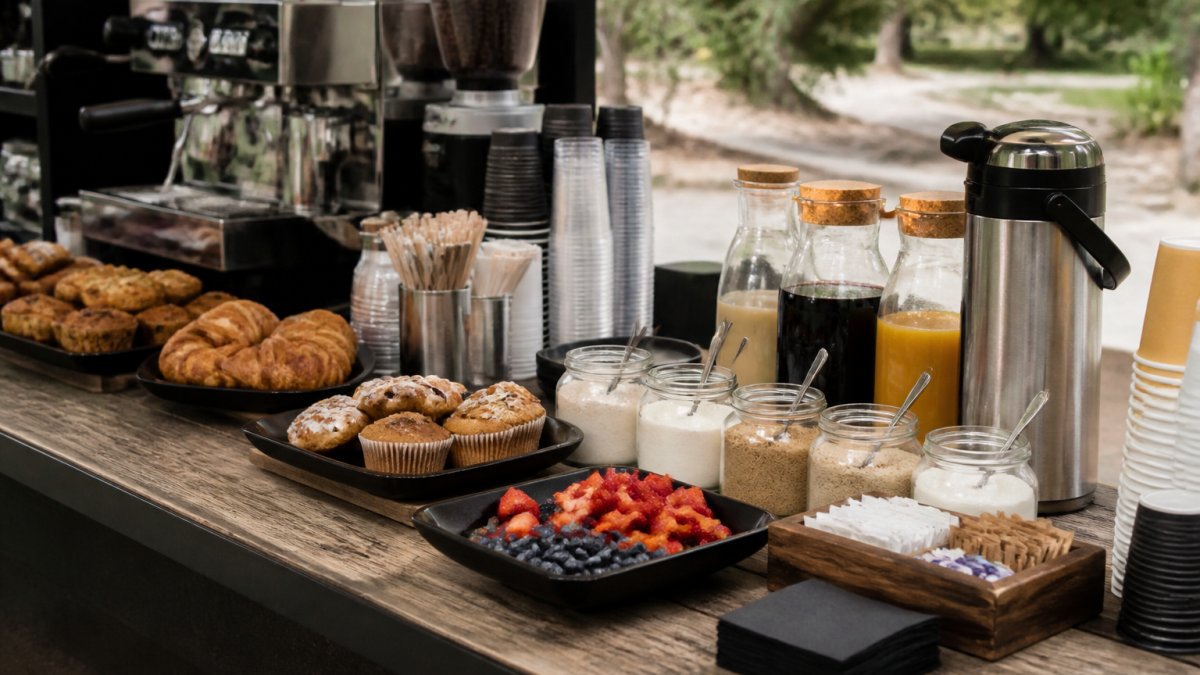
Storage and waste management matter too: trash accumulates fast, so a well-organized bar keeps baristas focused on drinks rather than clutter.
Festival Coffee Catering: Logistics and Setup
Beyond the drinks themselves, logistics determine whether your coffee bar service for festivals works on event day, the part of planning where organizers most often get surprised. Use the checklist below to close the gaps before load-in.
Permits, Insurance, and Food-Safety Readiness
Start with compliance, because it can shut a vendor down on site. Requirements vary by jurisdiction, so treat this as questions to confirm with your local authorities and vendor rather than a fixed rulebook.
Vendor permits. Ask whether the coffee vendor holds a current mobile food or temporary food establishment permit, and whether they need a separate permit for your specific event or venue. Many jurisdictions issue event-specific temporary permits with their own application windows.
Organizer permits. Confirm whether your event permit or venue agreement requires all food and beverage vendors to be pre-approved and listed. Some venues require vendor certificates of insurance before load-in.
Insurance. Request a certificate of insurance showing general liability coverage, and confirm the additional-insured and waiver-of-subrogation language your venue requires. Ask about product liability coverage as well.
Watch Out Do not assume your vendor's permits transfer to your event. Permit scope, insurance limits, and food-safety rules are set locally, and the vendor and organizer responsibilities are usually split. Get written confirmation of who holds which permit before the event.
Power, Water, and Site Requirements
Power and water are the two utilities that most often cause mid-service failures. Plan them with real numbers, not assumptions.
Power. A commercial espresso machine typically draws on the order of 15 amps at 120 volts, and a full mobile setup with grinder, refrigeration, and lighting can push total draw higher. Confirm the circuit or generator capacity your site can supply, and confirm the vendor's plug type and cord length. If you are using a generator, size it with headroom for startup surge, not just running load.
Water. Ask whether the vendor brings onboard water tanks or needs a potable water connection. Confirm the volume they need for a full service day and how they handle wastewater. If they bring tanks, confirm refill access and a plan for long events.
Space and surface. Confirm the footprint the bar needs, including queue space, and whether the surface is level and stable. Uneven ground affects machine operation and staff safety.
Shelter and weather protection. Ask what canopy, sidewalls, or wind protection the vendor brings, and what wind rating the setup requires. Confirm the protocol if severe weather arrives mid-service.
Pro Tip Ask your vendor for a one-page site plan showing the bar footprint, queue area, power drop, water access, and load-in route. Reviewing that plan with your operations lead a week out catches most problems while they are still fixable.
Weather, Backup, and Service Interruption Planning
Outdoor festivals mean weather exposure and equipment risk. A vendor with real contingency plans will answer these questions specifically rather than vaguely.
Rain and wind. Ask what triggers a service pause, how the bar is protected, and whether the setup can continue safely in light rain.
Heat. In hot conditions, espresso machines and refrigeration can struggle. Ask how the vendor positions equipment for airflow and shade.
Backup equipment. Confirm whether the vendor carries a spare grinder, backup power, or a second machine for high-volume events, and how quickly they can swap a failed unit.
Supply replenishment. For long or multi-day festivals, confirm the refill schedule for milk, cups, syrups, and water, and who is responsible for restocking.
Accessibility and Guest Comfort
A coffee bar that is hard to reach excludes guests. Plan the layout so the counter height works for wheelchair users and the queue does not block accessible routes. Confirm the vendor can offer decaf, dairy-free milk alternatives, and non-coffee options such as tea or hot chocolate, and that these are clearly listed on the menu board.
Booking and Coordinating Your Festival Coffee Service
The booking process sets expectations and prevents surprises on event day. Treat vendor selection as a structured comparison rather than a single conversation, and put the important commitments in the contract.
Timing Your Booking and Vendor Communication
Book your coffee bar service for festivals as early as possible, ideally three to six months ahead. Quality vendors book up, especially in peak festival season.
Once you book, keep a communication cadence: a kickoff call to confirm scope, a check-in about a month out to lock the site plan and menu, and a final confirmation one to two weeks before the event to review attendance estimates, schedule, and any changes.
Vendor Selection Checklist
Compare providers on the same criteria so the decision is apples to apples. Ask each vendor to respond in writing.
Service scope. What is included, setup, breakdown, staffing, equipment, supplies, menu boards, and waste handling, and what is the organizer responsible for?
Staffing commitment. How many baristas will be assigned for your expected attendance, and what is the process if actual attendance differs from the estimate?
Equipment. What machines, grinders, refrigeration, and power setup will they bring, and what are the site requirements?
Menu and customization. What is the standard menu, what can be customized, and are there limits on specialty or seasonal drinks?
Key Takeaway The strongest signal in vendor selection is specificity. A vendor who can answer throughput, staffing, and contingency questions with concrete numbers and named procedures is far more likely to deliver on event day than one who answers in generalities.
Contract Terms to Confirm
Before signing, confirm the commercial and operational terms in writing.
Cancellation and rescheduling. What are the notice periods, and what happens if the event is postponed or canceled for weather or other reasons?
Payment milestones. Confirm the deposit and final payment schedule and what each milestone covers. Ask whether any amounts are refundable and under what conditions.
Attendance variance. Confirm how the contract handles attendance that comes in above or below the estimate, including any staffing adjustments.
Liability and indemnification. Confirm insurance requirements, additional-insured status, and indemnification language that matches your venue's requirements.
Final Coordination Before Event Day
In the last two weeks, confirm the site plan, power and water access, load-in window, vendor parking, and the on-site contact for each side. Share your festival schedule so the vendor can anticipate peak periods, and confirm the menu and any accessibility or dietary options. A short pre-event walkthrough, even virtual, catches most remaining issues while there is still time to fix them.
Frequently Asked Questions
How do you plan coffee service for a festival?
Start by determining your guest count, event duration, and venue layout. Estimate coffee consumption based on attendance and time of day, then book a mobile coffee bar service 4-8 weeks ahead. Confirm water, power, and space requirements with your venue. Discuss menu options, barista count, and setup logistics with your vendor to ensure smooth service throughout the festival.
How many baristas do you need for a festival coffee bar?
A single barista can typically serve 50-75 guests per hour. For festivals expecting 200+ guests or service lasting more than 3 hours, plan for two baristas to maintain short wait times and consistent drink quality. Larger festivals or peak-time service may require three or more baristas. Your coffee catering vendor can recommend staffing based on your specific event size and expected demand.
What drinks should a festival coffee bar serve?
Offer a balanced festival coffee menu: espresso, americano, latte, cappuccino, and flat white as core drinks. Include cold brew or iced coffee for warm-weather festivals. Add specialty options like flavored lattes or seasonal drinks to boost appeal. Include non-coffee choices such as matcha, hot chocolate, or herbal tea to serve guests who don't drink coffee. Discuss menu options with your vendor to match your festival's vibe and guest preferences.
How far in advance should you book festival coffee catering?
Book your mobile coffee bar service 6-8 weeks before your festival date. This timeline allows vendors to confirm availability, discuss your specific needs, finalize logistics, and coordinate setup details. For high-demand seasons or large festivals, booking earlier increases your options. Confirm final guest count and any changes 2-3 weeks before the event to ensure your vendor can adjust staffing and supplies accordingly.
Book Today
Comments